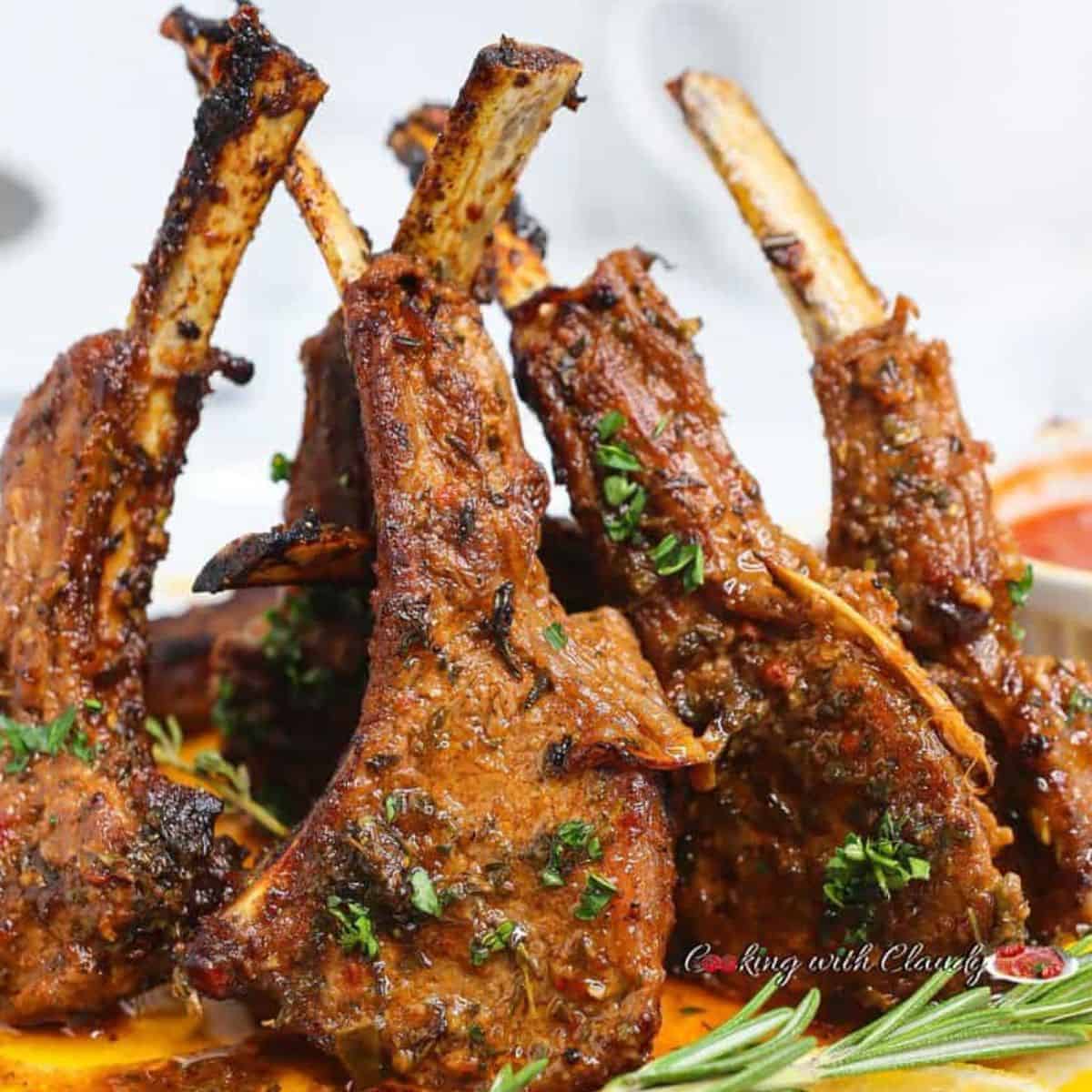
Oven-Baked Lamb Chops: Easy Steps for Juicy, Flavorful Results
Cooking lamb chops in the oven is a culinary secret weapon for many home cooks. It’s a method that promises tender, juicy, and incredibly flavorful results with surprising simplicity, making it perfect for both bustling weeknights and special occasions. If you’ve ever wondered how to cook lamb chops that consistently impress, you've come to the right place. This comprehensive guide will walk you through every essential step, from selecting the right cut to achieving that perfect, succulent finish, ensuring your oven-baked lamb chops are nothing short of spectacular. Forget complex techniques or lengthy preparations. The beauty of oven-baked lamb chops lies in a few fundamental principles: thoughtful seasoning, precise temperature control, and accurate timing. Master these, and you'll unlock a world of delicious possibilities.Why Oven-Baking is Your Go-To for Lamb Chops
The oven offers a distinct advantage for cooking lamb chops: consistent, all-around heat. Unlike pan-frying, which requires constant attention and can lead to uneven cooking, the oven provides a gentle, enveloping heat that cooks the chops through evenly. This method is also remarkably hands-off, freeing you up to prepare side dishes or simply relax while your dinner cooks to perfection. Beyond convenience, oven-baking excels at creating a beautiful crust while keeping the interior exquisitely tender. When done right, you get a harmonious balance of texture and taste that’s hard to beat. It minimizes splattering and cleanup compared to stovetop methods and ensures a reliably juicy outcome, provided you follow a few key steps.Selecting the Perfect Lamb Chops for Oven Success
The journey to perfect lamb chops begins long before they hit the oven – it starts with choosing the right cuts and ensuring their quality. Different types of lamb chops offer varying textures and flavors, making some more suited for oven roasting than others.Understanding Different Cuts
Lamb chops come in several popular varieties, each with unique characteristics that influence cooking time and texture:- Rib Chops: Often called "lamb lollipops" due to their elegant bone handle, rib chops are renowned for their exceptional tenderness and mild flavor. Their fine marbling contributes to their succulence, making them a fantastic choice for quick oven roasting when you desire a delicate taste and texture.
- Loin Chops: Resembling miniature T-bone steaks, loin chops feature tender meat on both sides of a small bone. They are generally meatier than rib chops and offer a slightly richer, more robust flavor. Loin chops are versatile and perform beautifully in the oven, cooking quickly and retaining their juicy integrity.
- Shoulder Chops: These are larger, heartier cuts from the lamb's shoulder. They contain more connective tissue and fat, which means they benefit from longer cooking times and lower temperatures to break down, resulting in a deeply flavorful and tender result. While they can be oven-baked, they're often better suited for slow-roasting or braising to truly unlock their rich potential. For faster oven methods, rib or loin chops are generally preferred.
To dive deeper into the nuances of each cut and make an informed decision for your next meal, explore our detailed guide: Rib, Loin, Shoulder: Your Guide to Choosing & Cooking Lamb Chops.
Quality Indicators
Regardless of the cut, the quality of your lamb chops is paramount. Look for chops with:- Bright Red Meat: The flesh should be a vibrant, uniform red color, indicating freshness. Avoid any cuts with dull or discolored spots.
- Fine Grain and Firm Texture: The meat should have a tight grain and feel firm to the touch, not mushy or watery.
- White or Creamy Fat: The fat should be white or a pale creamy color. Yellowed fat can be an indicator of older lamb or improper storage.
- Mild Aroma: Fresh lamb should have a mild, slightly gamey aroma. A strong or unpleasant odor suggests spoilage.
Always purchase lamb from a reputable butcher or trusted market, and check the packaging date to ensure maximum freshness. High-quality lamb isn't just about taste; it also ensures better juiciness and allows seasonings to penetrate and enhance the meat more effectively.
Preparing Your Lamb Chops for Optimal Flavor and Texture
Proper preparation is the cornerstone of any great lamb chop recipe. It sets the stage for maximum flavor absorption and guarantees even cooking.Mastering the Art of Seasoning
Lamb's rich flavor profile is incredibly versatile, pairing well with a range of herbs and spices. Start with the basics and then build layers of taste:- Salt and Pepper: These are non-negotiables. Be generous! Salt enhances the natural flavors of the lamb and helps create a crust, while freshly cracked black pepper adds a pungent kick.
- Aromatic Herbs: Rosemary and thyme are classic companions to lamb, offering earthy, piney notes. Minced garlic is another essential that adds depth and warmth. You can chop these finely and press them onto the chops.
- Olive Oil: A drizzle of good quality olive oil serves multiple purposes. It helps the seasonings adhere to the meat, prevents sticking to the cooking surface, and promotes beautiful browning, contributing to that desirable crust.
For an extra boost of flavor, consider a quick marinade. A simple mixture of olive oil, lemon juice (for tenderization and brightness), minced garlic, rosemary, and thyme for 30 minutes to 2 hours can work wonders. Be cautious not to marinate for longer than 4 hours, especially with acidic ingredients, as this can start to change the texture of the meat, making it mealy.
Bringing Chops to Room Temperature
This often-overlooked step is crucial for even cooking. Remove your lamb chops from the refrigerator 20 to 30 minutes before you plan to cook them. Allowing them to sit at room temperature helps them cook more uniformly from edge to center. If you cook cold chops straight from the fridge, the outside can overcook before the inside reaches your desired doneness, leading to tough or unevenly cooked meat. Just be sure not to leave them out for longer than an hour to maintain food safety.Step-by-Step Guide: How to Cook Lamb Chops in the Oven
Pre-Cooking Essentials
- Preheat Your Oven: Set your oven to 400°F (205°C). This temperature is ideal because it's hot enough to create a nice sear on the exterior of the chops while allowing the interior to cook through without drying out.
- Prepare Your Baking Tray: Line a sturdy baking tray with aluminum foil or parchment paper. This makes cleanup a breeze and helps with even heat distribution.
- Utilize a Wire Rack: Place an oven-safe wire rack on top of the lined tray. Elevating the lamb chops on a rack is key for optimal air circulation. Hot air can then flow all around the meat, preventing the bottom from becoming soggy and promoting an even crust on all sides. Lightly coat the rack with cooking spray or a thin layer of olive oil to prevent sticking.
The Roasting Process
- Arrange the Chops: Place your seasoned, room-temperature lamb chops on the prepared wire rack in a single layer, ensuring there’s space between each chop for air to circulate.
- Roast to Perfection: Transfer the tray to the preheated oven. The cooking time will vary depending on the thickness of your chops and your desired level of doneness. As a general guide for 1-inch thick loin or rib chops:
- Medium-Rare: 8-10 minutes (internal temperature of 125-130°F / 52-54°C)
- Medium: 10-12 minutes (internal temperature of 130-135°F / 54-57°C)
- Medium-Well: 12-14 minutes (internal temperature of 135-140°F / 57-60°C)
For shoulder chops, which are typically thicker, you may need a longer roasting time at a slightly lower temperature (e.g., 375°F / 190°C for 20-30 minutes, or until desired doneness). Flipping the chops halfway through the cooking time can help ensure even browning, though it's not strictly necessary if you're using a wire rack.
- Check for Doneness: The most accurate way to determine doneness is by using an instant-read meat thermometer. Insert it into the thickest part of the chop, avoiding the bone. Remember that the temperature will continue to rise by a few degrees after the chops are removed from the oven.
- Rest the Meat: This is a critical step that many overlook! Once the chops reach your desired internal temperature, remove them from the oven and transfer them to a cutting board. Tent them loosely with foil and let them rest for 5-10 minutes. Resting allows the juices, which have been driven to the center during cooking, to redistribute throughout the meat. The result is a significantly juicier and more tender chop.
For more detailed information on achieving the perfect internal temperature and understanding different levels of doneness, refer to our comprehensive guide: Perfect Lamb Chops: Master Seasoning, Temp, and Doneness in Oven.
Troubleshooting & Expert Tips for Perfect Lamb Chops
Even with a detailed guide, a few extra insights can elevate your cooking:- Preventing Dryness: The most common mistake is overcooking. Lamb, especially leaner cuts like loin chops, can become tough and dry very quickly if cooked past medium-well. Always rely on a meat thermometer!
- Achieving a Better Sear: If you desire a more pronounced crust, consider a quick pan-sear before transferring to the oven. Heat an oven-safe skillet (like cast iron) over high heat with a little oil until smoking. Sear the chops for 1-2 minutes per side, then immediately transfer the skillet to the preheated oven to finish cooking. This "reverse sear" technique locks in flavor and moisture.
- Flavor Boosts: For extra aroma, scatter some sliced lemons, quartered onions, or extra garlic cloves directly onto the baking sheet (under the rack) during the last few minutes of roasting. The heat will release their fragrant oils, subtly infusing the air and complementing the lamb.
- Pan Drippings: Don't discard the flavorful drippings! While resting, scrape the juices from the baking sheet into a small pan, deglaze with a splash of white wine or broth, and reduce slightly for a simple, savory sauce to spoon over your chops.
- Serving Suggestions: Oven-baked lamb chops pair beautifully with a variety of sides. Consider creamy mashed potatoes, fluffy couscous, roasted root vegetables (like carrots or parsnips), a fresh green salad, or a bright mint sauce.
