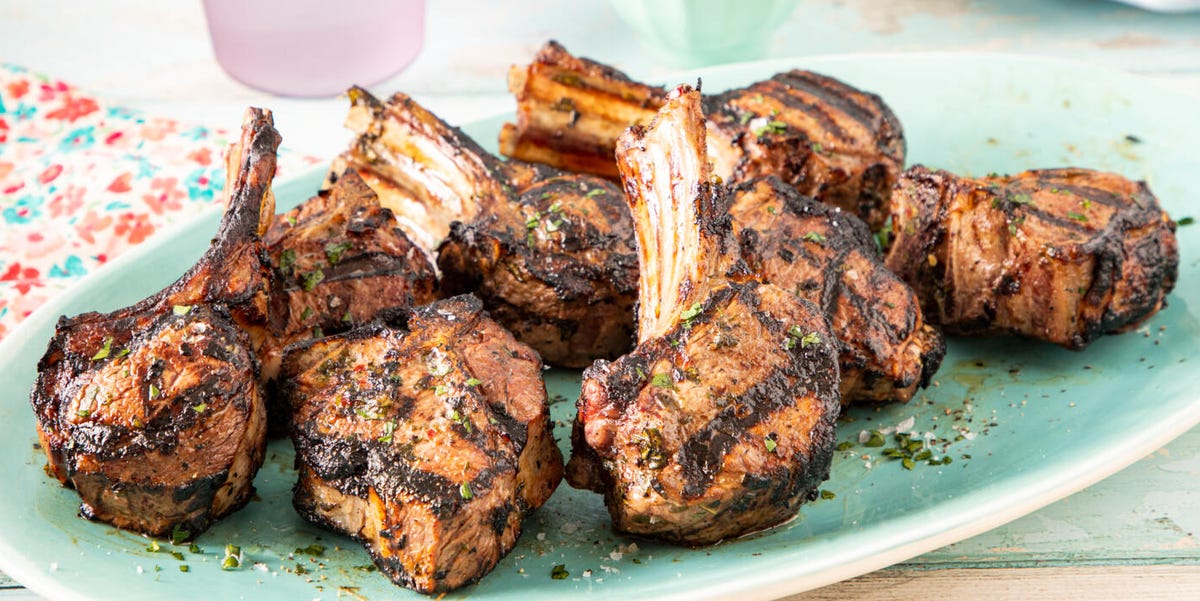
Lamb chops are a culinary delight, offering a luxurious experience with every tender, flavorful bite. Whether you're planning a sophisticated dinner party or a simple yet satisfying weeknight meal, mastering how to cook lamb chops can elevate your home cooking to new heights. The secret to consistently delicious results lies in understanding the different cuts, selecting the freshest meat, and applying the right preparation and cooking techniques. This guide will walk you through everything you need to know, from distinguishing between rib, loin, and shoulder chops to achieving that perfect, juicy finish every time.
Decoding Lamb Chops: Rib, Loin, and Shoulder Explained
The world of lamb chops can seem daunting with various cuts available, but each offers unique characteristics in terms of flavor, texture, and ideal cooking methods. Choosing the right cut is the first step towards a successful dish.
Rib Chops: The Elegant "Lamb Lollipops"
- Characteristics: Often referred to as "lamb lollipops" due to their distinctive bone handle, rib chops are cut from the rack of lamb. They are renowned for their exceptional tenderness, fine grain, and delicate, mild flavor. This cut typically boasts good marbling, contributing to its juiciness.
- Best For: Rib chops are perfect for quick cooking methods like pan-searing, grilling, or roasting in the oven. Their elegant presentation makes them a fantastic choice for individual servings at special occasions. They cook relatively quickly, making them ideal for a delicious meal even on a busy evening.
- Chef's Tip: For an impressive presentation, consider Frenching the bones (scraping off the meat and fat) before cooking.
Loin Chops: The Hearty "Mini T-Bones"
- Characteristics: Loin chops resemble miniature T-bone steaks, featuring a tender eye of loin on one side of the bone and a smaller piece of tenderloin on the other. They are meatier and typically have a richer, more robust lamb flavor than rib chops, while still maintaining impressive tenderness. They are leaner than rib chops but still offer a satisfying bite.
- Best For: Like rib chops, loin chops excel with quick, high-heat cooking methods such as oven roasting, grilling, or pan-frying. Their substantial size makes them incredibly satisfying for a main course, offering a hearty alternative to a traditional beef steak.
- Chef's Tip: Due to their lean nature, be mindful not to overcook loin chops to preserve their tenderness and moisture.
Shoulder Chops: The Flavorful, Versatile Cut
- Characteristics: Cut from the shoulder of the lamb, these chops are larger and contain more connective tissue and a higher fat content than their rib and loin counterparts. This composition means they require a different approach to cooking but reward patience with an incredibly rich, deep, and succulent flavor.
- Best For: Shoulder chops truly shine when subjected to slower, moist-heat cooking methods. Think braising, stewing, or slow roasting. These techniques allow the connective tissues to break down, resulting in fall-off-the-bone tenderness and an intensely flavorful dish. While they can be pan-fried or grilled, they will be firmer than rib or loin chops and are best cooked medium-well to well-done to soften the tissues.
- Chef's Tip: Shoulder chops are often more budget-friendly than rib or loin chops, making them an excellent choice for flavorful, comforting meals without breaking the bank. Don't shy away from a long marinade to help tenderize and infuse flavor.
Selecting the Perfect Lamb Chops: A Butcher's Eye
The quality of your lamb chops directly impacts the final taste and texture of your meal. Knowing what to look for when purchasing is crucial for any aspiring lamb cook.
- Visual Appeal: Look for meat that is bright, rosy red with a fine, even grain. Avoid chops with dark spots or discoloration, which can indicate age or improper handling.
- Fat Content: The fat on lamb chops should be firm, white, or creamy white, not yellowed. Yellow fat can be a sign of an older animal or oxidation. While a little marbling is good for flavor and moisture, excessive, uneven fat may mean trimming is needed.
- Texture and Firmness: The meat should feel firm to the touch, not mushy or slimy. This indicates freshness and good muscle structure.
- Smell Test: Fresh lamb should have a mild, slightly gamey, but pleasant aroma. A strong, unpleasant, or sulfuric odor is a definite sign to avoid.
- Source Matters: Always purchase lamb from reputable butchers or trusted markets. They often have higher turnover, ensuring fresher cuts, and can provide valuable advice on specific cuts and preparation. Check packaging dates for freshness.
For quick oven cooking, rib or loin chops are your best bet. If you have time for a slow roast or braise, shoulder chops will deliver immense flavor.
Mastering the Prep: Seasoning, Marinating, and Resting
Proper preparation lays the groundwork for perfectly cooked lamb chops, ensuring maximum flavor penetration and even cooking.
The Foundation of Flavor: Seasoning
Before any heat touches your lamb, a generous seasoning is essential. Lamb's rich flavor pairs beautifully with a variety of aromatics.
- Salt and Pepper: These are non-negotiables. Season generously with good quality sea salt and freshly ground black pepper on all sides. This not only enhances the lamb's natural taste but also aids in forming a delicious crust.
- Herbs and Aromatics: Lamb is a match made in heaven for woody herbs like fresh rosemary and thyme. Minced garlic, a pinch of dried oregano, or even a touch of mint can add incredible depth.
- Olive Oil: A light coating of olive oil serves multiple purposes: it helps the seasonings adhere to the meat, promotes beautiful browning, and contributes to a flavorful crust.
The Art of Marinating for Deeper Taste
While good seasoning is vital, marinating can take your lamb chops to the next level, infusing them with flavor and, in some cases, tenderizing them further.
- Marinade Components: A classic lamb marinade often includes olive oil, an acidic element (like lemon juice or red wine vinegar), minced garlic, and fresh herbs (rosemary, thyme, oregano). Some recipes incorporate Dijon mustard or a splash of soy sauce for umami.
- Duration is Key: For most lamb chops (especially rib and loin), 30 minutes to 2 hours at room temperature or in the refrigerator is sufficient for flavor infusion. For shoulder chops, you can extend this to 4-6 hours in the fridge for more tenderization.
- Crucial Warning: Avoid marinating with highly acidic ingredients for longer than 4 hours, as prolonged exposure can begin to "cook" the meat, leading to a mushy or mealy texture. Always marinate in a non-reactive dish (glass, ceramic, or food-grade plastic bag).
The Essential Room Temperature Rest
This simple step is often overlooked but dramatically impacts the final outcome. Remove your seasoned and/or marinated lamb chops from the refrigerator and let them sit at room temperature for 20 to 30 minutes before cooking. This allows the meat to relax and its internal temperature to rise slightly, promoting more even cooking. Cold meat thrown directly into a hot pan or oven can result in a tough, unevenly cooked chop, with a well-done exterior and a raw interior. For food safety, avoid letting chops sit out for longer than 1 hour.
To master the nuances of seasoning, temperature, and doneness, dive deeper with our guide: Perfect Lamb Chops: Master Seasoning, Temp, and Doneness in Oven.
How to Cook Lamb Chops in the Oven: A Step-by-Step Guide
Oven roasting is an incredibly effective and often foolproof method for cooking lamb chops, yielding juicy and flavorful results with minimal effort. Here's a general approach:
- Preheat Your Oven: Start by preheating your oven to a high temperature, typically 400°F (205°C). This high heat is crucial for achieving a beautiful sear on the exterior while allowing the interior to cook evenly.
- Prepare Your Baking Setup: Line a sturdy baking tray with aluminum foil or parchment paper for easy cleanup. Crucially, place a wire rack on top of the lined tray. Elevating the lamb chops on a rack allows hot air to circulate completely around the meat, promoting even cooking and preventing the bottom of the chops from becoming soggy. Lightly coat the rack with cooking spray to prevent sticking.
- Optional Searing (Highly Recommended): For an ultimate crust, consider searing your lamb chops in a hot, oven-safe skillet on the stovetop for 1-2 minutes per side before transferring them to the prepared wire rack in the oven. This initial sear locks in juices and develops incredible flavor.
- Roast to Perfection: Transfer your lamb chops to the preheated oven. The cooking time will vary depending on the thickness of your chops and your desired level of doneness. Generally, thinner rib or loin chops might take 8-12 minutes, while thicker chops could take 12-18 minutes.
- The Critical Rest: Once cooked, remove the lamb chops from the oven and transfer them to a clean cutting board. Tent them loosely with foil and let them rest for 5-10 minutes. This resting period is vital: it allows the muscle fibers to relax and reabsorb the juices, ensuring a more tender and moist chop. Cutting into the meat too soon will cause the juices to run out, leaving you with dry lamb.
For a detailed, step-by-step recipe and specific timing for oven-baked lamb chops, check out our comprehensive guide: Oven-Baked Lamb Chops: Easy Steps for Juicy, Flavorful Results.
Achieving Perfect Doneness: A Culinary Art
Knowing when your lamb chops are perfectly cooked is the hallmark of a skilled cook. An instant-read meat thermometer is your best friend here, as visual cues alone can be misleading.
- Internal Temperature Guidelines:
- Rare: 125-130°F (52-54°C) – Very red, cool center.
- Medium-Rare: 130-135°F (54-57°C) – Red, warm center (often the preferred doneness for lamb chops).
- Medium: 135-140°F (57-60°C) – Pink, warm center.
- Medium-Well: 140-145°F (60-63°C) – Slightly pink center.
- Well-Done: 145°F+ (63°C+) – No pink, firm texture. (Generally not recommended for tender chops as it can make them dry and tough.)
- The Phenomenon of Carryover Cooking: Remember that meat continues to cook even after it's removed from the heat source, a process known as carryover cooking. For lamb chops, the internal temperature can rise by an additional 5-10°F during resting. Therefore, it's best to remove your chops from the oven or pan when they are about 5°F below your target doneness.
- Using Your Thermometer: Insert the probe horizontally into the thickest part of the chop, avoiding the bone, for the most accurate reading.
Conclusion
Cooking lamb chops at home, whether they are delicate rib chops, hearty loin chops, or richly flavored shoulder chops, doesn't have to be intimidating. By understanding the distinct characteristics of each cut, selecting fresh, high-quality meat, and applying foundational techniques in seasoning, marinating, and proper oven cooking, you can consistently achieve tender, juicy, and immensely flavorful results. Experiment with different herbs and marinades, pay attention to your cooking temperatures, and always allow your chops to rest. With these tips, you're well on your way to mastering how to cook lamb chops and delighting your palate with this exceptional cut of meat.
